

-(1).webp)
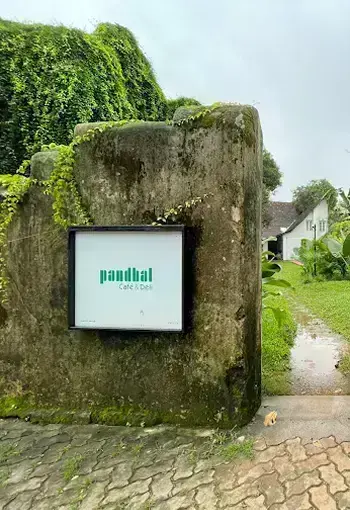
At Pandhal Cafe & Deli, we believe that great food brings people together. Our menu features a carefully curated selection of premium cuisines, thoughtfully crafted to deliver a memorable dining experience. From wholesome salads and artisanal sandwiches to indulgent main courses and delightful desserts, every dish is prepared with passion, creativity, and the finest ingredients.
Since our inception, we have been committed to creating exceptional culinary experiences for our guests. Our chefs focus on using fresh, high-quality ingredients to ensure every meal is rich in flavour, quality, and authenticity.
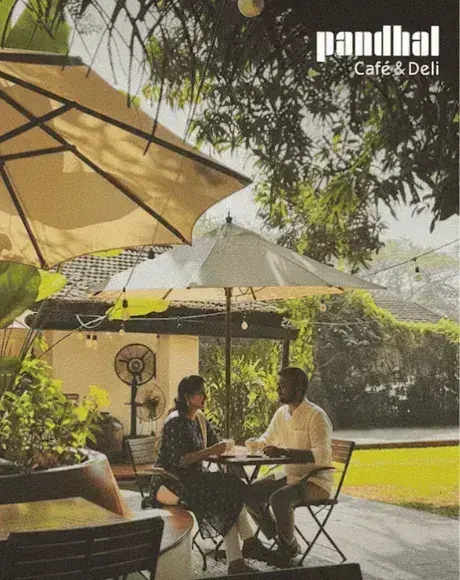
More than just a café, Pandhal Cafe & Deli is a welcoming space where you can unwind, connect, and savour every moment. Whether you're stopping by for a leisurely breakfast, a business lunch, coffee with friends, or a relaxed dinner, we strive to provide warm hospitality and an atmosphere that feels like home.
Join us and discover a place where great food, comforting ambience, and memorable moments come together


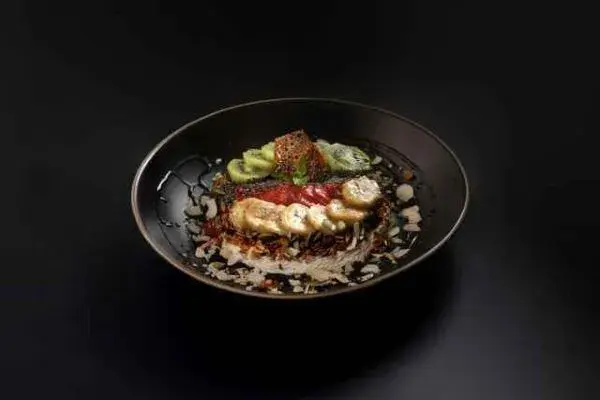
Homemade Granola, Nuts, Coconut Yogurt, Kiwi, Banana, Strawberry, Chia
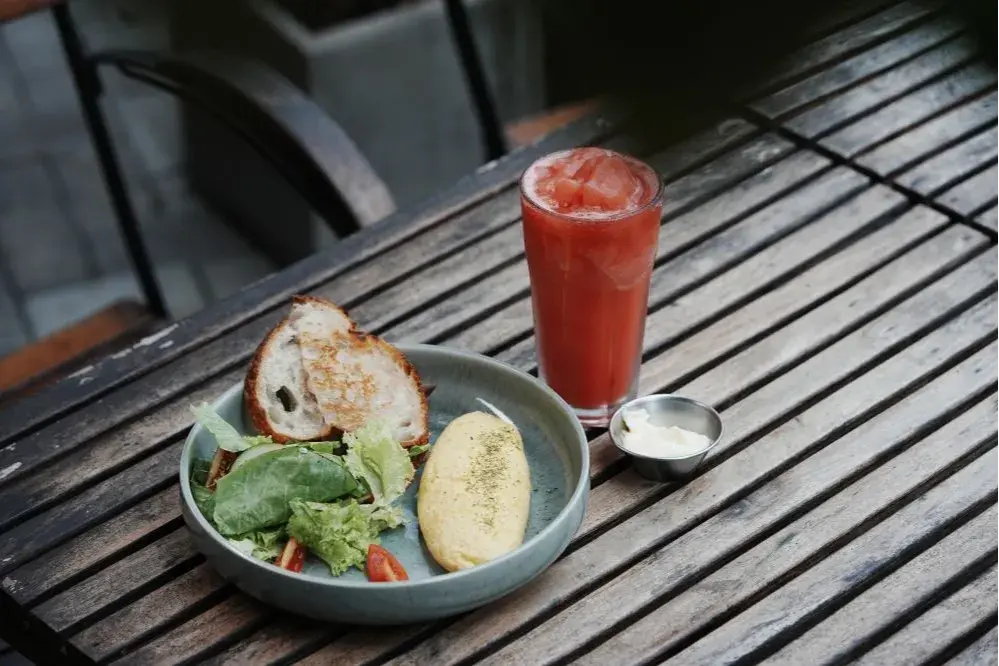
Oven Roasted Egg, Tomato, Bell Pepper, Sourdough

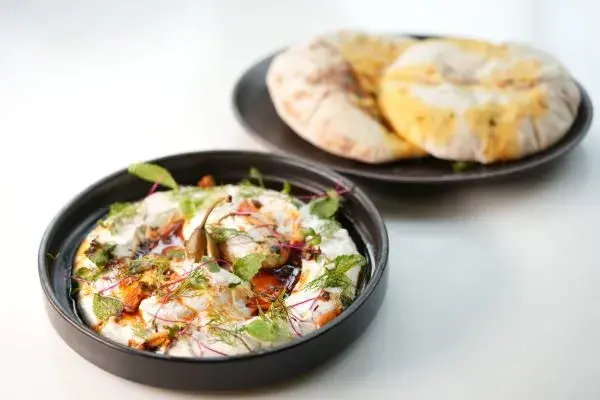
Greek Yoghurt, Mint, Dill, Paprika, Poached Eggs, Almond, Pita Bread
Choice of Egg- Scrambled/Sunny Side, Butter, Herb Roasted Potatoes, Grilled Tomato, Sourdough
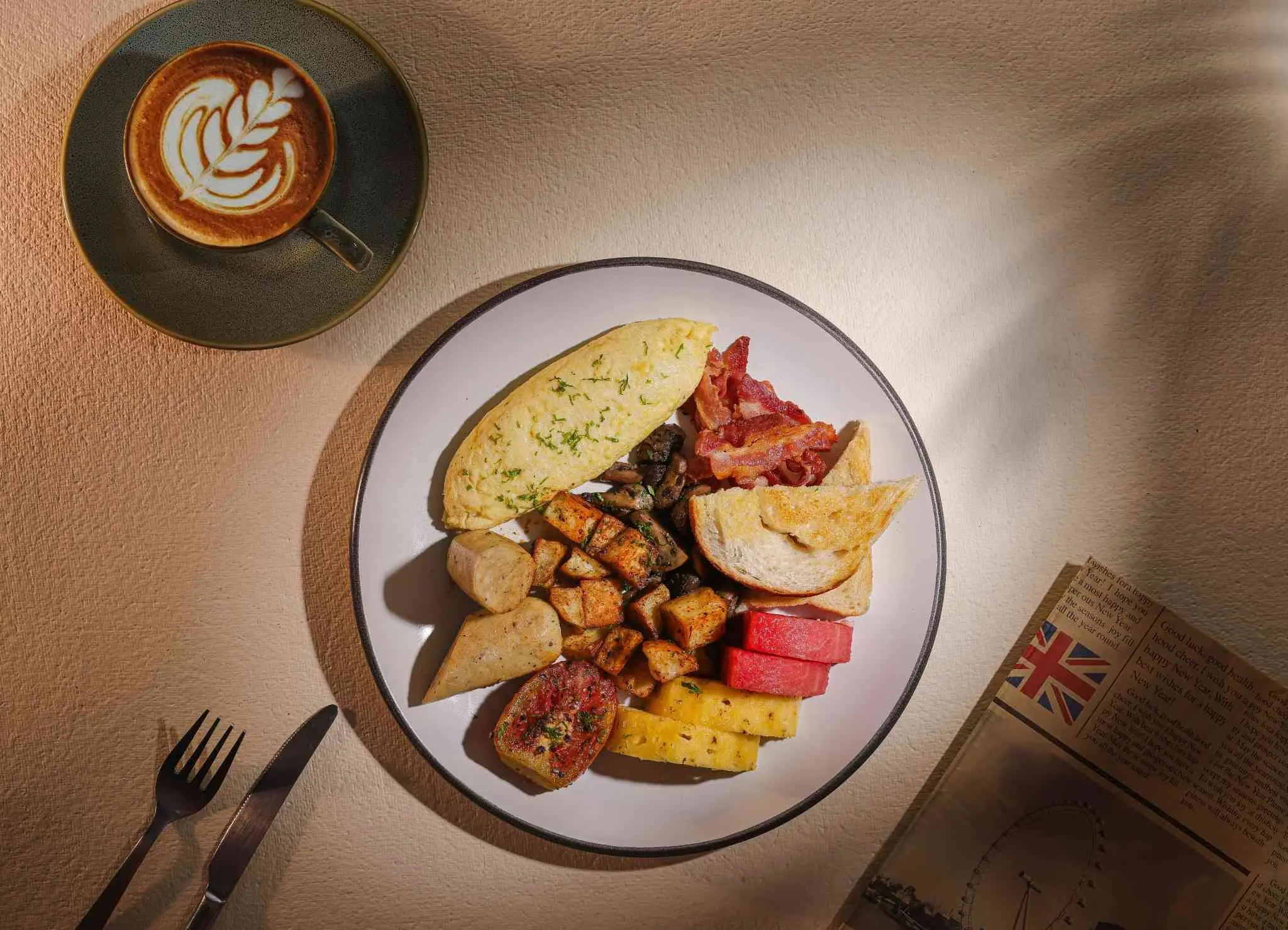
Choice of Eggs - Scrambled/Fried/Plain, Bacon, Choice of Sausage Chicken /Pork, Herb Roasted Potatoes, Sauted Mushroom, Cut Fruits, Sourdough Toast
Pumpkin Seed, Balsamic, Garden Salad, Sourdough

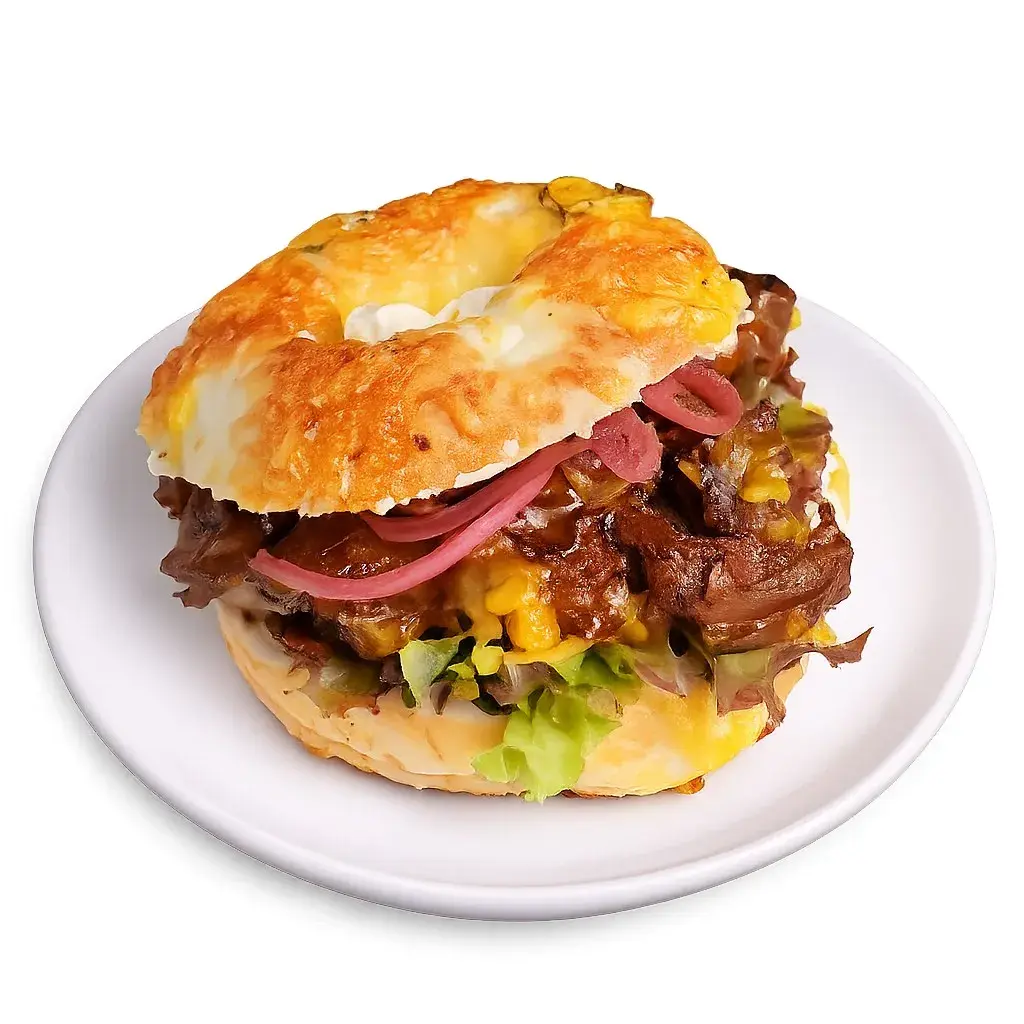




-(1).webp)
-(1).webp)

In the 16th and 17th centuries, when European powers were trying to establish their trading might over India, the Dutch were drawn to the land rich in pepper and other spices. The Dutch wished to establish a settlement on the Malabar Coast where they could be territorial sovereigns as well as traders. They aimed to avoid the "rapacious exactions of the Muhammadan [Mughal] Government" and the proximity of their successful rivals, the English. Cochin was a suitable spot. They wrested Cochin from the Portuguese in January 1663. In 1669, Hendrik Adriaan Van Rheede Tot Drakenstein was appointed the first independent commander, giving him military and civil administrative rights, in the region. The forts were the centres of administration and trade and, apart from coastal towns, no land was taken possession of. According to historical accounts, Van Rheede was the only Dutchman who had personal and social contacts with the local people, and a thorough knowledge of the land.
He brought together a large collection of plants in the garden of the company. This probably laid the seeds for the Hortus Malabaricus, a comprehensive volume on the flora of Kerala, with emphasis on their medical properties. The ethno-medical information presented in Hortus Malabaricus was extracted from palm-leaf manuscripts maintained by Itty Achudan Vaidyan. He was introduced to Henrik Van Rheede by Veera Kerala Varma, the then-ruler of the erstwhile state of Kochi. The book was compiled with the help of a team of nearly a hundred local and foreign residents under the tutelage of Achudan, who thoroughly searched the region for specimens. It was brought to Cochin, where a Carmelite named Matheus sketched them. The book brought under its mission physicians, professors of medicine and botany, amateur botanists, illustrators, engravers and clergymen. In fact, in return for the help offered by the latter, Van Rheede gave permission to build churches. The Chathiath Mount Carmel Church was constructed on such an agreement in 1673.
But Dutch traders largely meant business, and they razed Portuguese structures to the ground. Two-thirds of Cochin is believed to have been demolished. The Dutch East India Company is believed to have built three houses sometime between the late 1670s and 1690s using some of the material from demolished churches, and David Hall is what remains of the three houses. The purpose of the structure served is not known today, though historical hearsay suggests it could have been the residence of Van Rheede or a military hospice for Dutch soldiers. The structure was christened David Hall when it was bought by the Jewish Koder family, who lived there.
.webp)